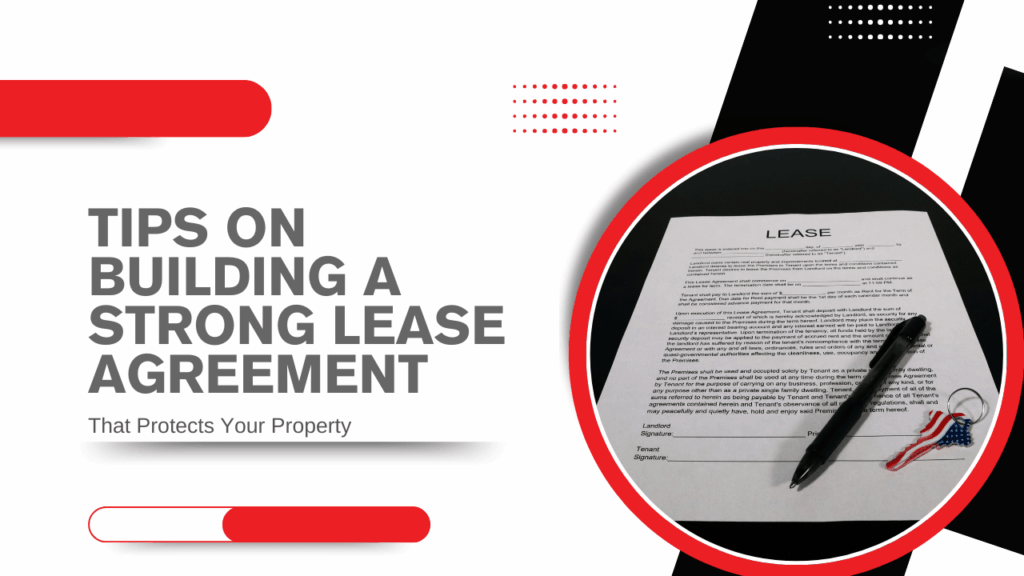
Have you thought about how much a well-crafted lease agreement can truly protect your investment property?
For California rental property owners, the lease is the foundation of a successful and legally sound landlord-tenant relationship. A clear, comprehensive lease can prevent disputes, safeguard your property, and ensure consistent rental income. It also protects your tenant and provides them with a roadmap for a successful rental experience.
We’ve put together some key tips to help you build a strong lease agreement that works in your favor while staying compliant with California’s complex rental laws.
Quick Summary:
|
Start with California-Compliant Language
California has some of the most tenant-friendly laws in the country, and that means any residential lease must align with state and local regulations. Include all legally required disclosures, such as information about lead-based paint (for properties built before 1978), mold hazards, pest control treatments, and bedbug infestations. Your lease also needs to reference rent control and whether your rental property is included in local and state ordinances or exempt from them. Using California-specific lease templates from reliable legal resources like our property management team can help ensure your lease is compliant from the start.
Clearly Define Terms and Responsibilities
A vague lease invites confusion. Specify every important detail, starting with rent collection policies. Include:
- Rent amount
- Due date
- Acceptable payment methods
- Late fees
Outline what the rent covers, such as utilities, landscaping, or parking, and what the tenant should expect to pay. Clarify who handles maintenance and repairs, particularly regarding minor issues versus structural problems. By defining these terms clearly, you minimize potential disputes about financial or maintenance obligations.
Set Clear Rules for Property Use
Protect your property by listing rules and being specific about what’s allowed and not allowed. Include language limiting the number of occupants, addressing subletting or short-term rentals (such as Airbnb), and prohibiting illegal or disruptive activities. Include HOA rules and regulations as well as any expected behaviors for common areas if you’re renting out units in a multi-family property. This language will help maintain order and reduce wear and tear on your investment.
Include Entry and Inspection Clauses
Under California law, landlords must provide at least 24 hours’ notice before entering a tenant’s unit, except in emergencies. A strong lease should outline when and how inspections will occur. For example, semi-annual maintenance checks or pest control visits. This not only ensures compliance but also keeps your property in good condition by allowing regular monitoring.
Address Security Deposits and Move-Out Terms
 Security deposit limits are typically the equivalent of one month’s rent, and a good lease will explain the deposit’s purpose, where it’s held, and under what conditions deductions will be made. Also, specify move-out procedures, cleaning expectations, and inspection timelines. A detailed section on this topic reduces confusion and helps you recover legitimate costs for damages.
California security deposit laws are strict. Make sure you’re clear on what’s expected and what the lease should reflect. If you have any questions, get in touch with us.
When your lease agreement is thorough, compliant, and transparent, you build a foundation for protecting your investment. We have lease templates that can make this easy. Please contact us at ZenPro Property Management.
